
Skip to content
Children First
Get help now
Donate
  • Get Support
    • Get Support
    • Support line
      • Support line
      • Volunteer with Children First support line
      • Communities
    • Advice for families
      • Advice for families
      • Money advice tips for families
      • Guidance & Advice
        • Guidance & Advice
        • Articles
          • Articles
          • Supporting children with additional support needs
          • Coping with stress
          • Death and bereavement
          • Coming home with a new baby
          • Bonding with your baby
          • Looking after yourself with a new baby
          • Behaviour and feelings
          • Managing Children's Behaviour
          • Toddlers and tantrums
          • Teenage behaviour
          • Approaches that work with teenagers
          • Risk-Taking Behaviours
          • Mental Health Issues in Children
          • Common Mental Health Issues
          • Helping your child with mental health issues
          • Challenging or distressed behaviour
          • Spotting signs of abuse or neglect
          • Screen time
          • Online safety and parental controls
          • Sexting
          • Pornography
          • Disturbing or Extreme Content
          • Understanding self harm
          • Bullying
          • Separation and divorce
          • Contact arrangements
          • Supporting Kinship Families
          • Sexual development
          • Healthy relationships and consent
          • Supporting your LGBT+ child
        • Help to protect children
        • Mental health and wellbeing
        • Understanding behaviour
        • New parents and early years
        • The online world
        • Managing difficult changes
        • Sex and relationships
        • At school
    • How we can help
      • How we can help
      • Bairns Hoose
      • Keeping families together
      • Safeguarders Panel
        • Safeguarders Panel
        • What is a Safeguarder?
        • What else should I know?
        • What is going to happen?
        • Additional Support
        • How to Raise a Concern
        • Contact Us
      • Local services
        • Local services
  • Get involved
    • Get involved
    • Gifts in Wills
      • Gifts in Wills
      • Types of legacy
    • Ways to donate
      • Ways to donate
      • Philanthropy
        • Philanthropy
      • Other ways to give
      • In memory donations
      • Payroll Giving
      • About Gift Aid
      • Regular Giving
      • Amazon Wishlists
    • Fundraising for Children First
      • Fundraising for Children First
      • Fundraise at Work
        • Fundraise at Work
        • Sponsored Events
        • Team Building Ideas
        • Make, Bake and Sell
      • Fundraising at school
        • Fundraising at school
        • YPI
      • Contact the fundraising team
      • Do Your Own Thing
        • Do Your Own Thing
        • Fundraising inspiration
        • Birthdays and celebrations
        • Host a cake sale
      • Changing Children's Lives Fundraising Dinner
    • Events
      • Events
      • Kilomathon Scotland 2026
      • Baxters Loch Ness Running Festival 2025
      • TCS London Marathon 2026
      • Supernova Kelpies Run 2026
      • Skydive for Children First (1)
      • Men's 10K Edinburgh 2026
      • Women's 10K Edinburgh 2026
      • Skydive for Children First
      • Kiltwalk Glasgow 2026
      • Kiltwalk Edinburgh 2026
      • Kiltwalk Dundee 2026
      • Kiltwalk Aberdeen 2026
      • Changing Children's Lives Fundraising Dinner 2024
      • The Banchory Bangle Raffle 2026
      • Port of Leith Distillery Abseil 2026
      • The Kelpies Challenge 2025
      • Edinburgh Marathon Festival 2026
      • Take on your own challenge at an event near you!
      • On Mute May
      • Men's 10K Glasgow 2026
      • Women's 10K Glasgow 2026
      • Scottish Half Marathon and 10K 2026
      • 141 Mile Challenge 2025
    • Corporate partnerships
      • Corporate partnerships
      • Charity of Choice
    • Support our appeal
    • FAQs
    • Volunteer
      • Volunteer
      • Children First Support Line Volunteer – Edinburgh
      • Family Wellbeing Volunteer - East Renfrewshire
      • Family Wellbeing Volunteer - Glasgow
      • Family Wellbeing Volunteer - Renfrewshire
    • People's Postcode Lottery
  • Campaigns
    • Campaigns
    • Keeping children safe
    • The impact of trauma
    • Whole family support
    • Bairns Hoose
      • Bairns Hoose
      • Bringing Bairns Hoose to Scotland
      • Changemakers
      • Bairns Hoose news and blogs
      • Bairns Hoose in more detail
    • Children's human rights
  • For professionals
    • For professionals
    • Support line digital toolkit
    • Safeguarders Panel Team
      • Safeguarders Panel Team
      • Role of the Safeguarder
      • Legal Framework for Safeguarders
      • Performance Monitoring of Safeguarders
      • Other Useful Information and Resources
      • Annual Reports
      • Become a Safeguarder
      • For Safeguarders
        • For Safeguarders
        • Policies and Guidance
        • Training and Events
        • Resources
        • Fees and Expenses
    • Family Group Decision Making
      • Family Group Decision Making
      • Family Group Decision Making Accredited Training
    • Online Harm
    • Child Wellbeing and Protection in Sport
      • Child Wellbeing and Protection in Sport
      • Guidance
      • Information on Standards and CWPS Tool
      • Advice and information
      • Training
    • Case management support service
      • Case management support service
    • Kitbag at Children First
  • News
  • About us
    • About us
    • Careers
      • Careers
      • FGDM Coordinator
    • Our Values
    • Leadership
    • Our history
    • Contact us
      • Contact us
      • Historical records
    • Publications
    • Fair Work First Statement
    • Impact report
  1. Home
  2. For professionals
  3. The Case for Bairns Hoose
  4. Why Bairns Hoose
  • Introduction
  • The Case For
    • Statements of Support
    • Why Bairns Hoose
    • Bringing Bairns Hoose to Scotland
    • Understanding the Research Evidence
    • Shortcomings of the Current System
    • What Works for Child Victims
    • Limitations of the Evidence
    Statements of Support
    From Bragi Guðbrandsson, Olivia Lind Haldorsson and Dr Mary Mitchell.
    Why Bairns Hoose
    A trauma-informed multi-disciplinary approach.
    Bringing Bairns Hoose to Scotland
    The journey bringing Bairns Hoose to Scotland.
    Understanding the Research Evidence
    The scale of child abuse in Scotland.
    Shortcomings of the Current System
    Re-living trauma, lack of access to support and advocacy, delays and distress in court processes.
    What Works for Child Victims
    The right place, people and support.
    Limitations of the Evidence
    The challenges around measuring long-term outcomes.
  • Participation
    • Participation
    • Children's views about Bairns Hoose
    Participation
    Involving children and young people
    Children's views about Bairns Hoose
    Materials created by children to express their views about Bairns Hoose
  • Building
    • Overview
    • Preparation and Briefing
    • Concept Design
    • Developed Design
    • Technical Requirements
    • Construction
    • Completion
    Overview
    Establishing a strong team and a structured RIBA plan of work.
    Preparation and Briefing
    The business case for the project, planning considerations, impact on local community and key requirements for the house.
    Concept Design
    Developing sketch proposals.
    Developed Design
    Showing what the building will look and feel like inside and outside.
    Technical Requirements
    Building regulations, acoustics, video and sound recording and IT.
    Construction
    Reviewing tenders, awarding the building contract and monitoring the construction progress.
    Completion
    Obtaining a completion certificate, establishing an ongoing maintenance plan, health and safety management.
  • How it Works
    • How Bairns Hoose Works in Practice
    • The Child's Journey and the Professional Response
    • The Investigative Interview
    • Recovery Support
    • Bringing Key Functions into a Bairns Hoose
    How Bairns Hoose Works in Practice
    The role of the coordinator and importance of multi-agency working.
    The Child's Journey and the Professional Response
    Holding the Interagency Referral Discussion (IRD) supporting children to come to Bairns Hoose.
    The Investigative Interview
    The Scottish Child Interview Model and protecting the location of Bairns Hoose.
    Recovery Support
    The Children First Recovery model.
    Bringing Key Functions into a Bairns Hoose
    Social work, education, court and legal process and health.
  • Evaluating and Improving
  • Resources

Why Bairns Hoose

Children First Bairns Hoose logo
At the heart of the Barnahus approach is a trauma-informed, multi-disciplinary approach which unites services for child victims and witnesses and their families to ensure that the rights of children to justice, care and protection are upheld.

In the simplest terms, the Barnahus (called Bairns Hoose in Scotland) can be described as a child-friendly house where all the professionals come together around the child, rather than the child going to different services, in multiple locations.

The purpose of a Barnahus is:

  • To ensure that children and young people who have been victims and witnesses of abuse or violence receive appropriate assessment, treatment and support from the moment they disclose abuse, or abuse is suspected or alleged. 
  • To avoid subjecting children to multiple interviews by different agencies in different location. 
  • To ensure high-quality evidence is collected to inform both legal and protective measures. 
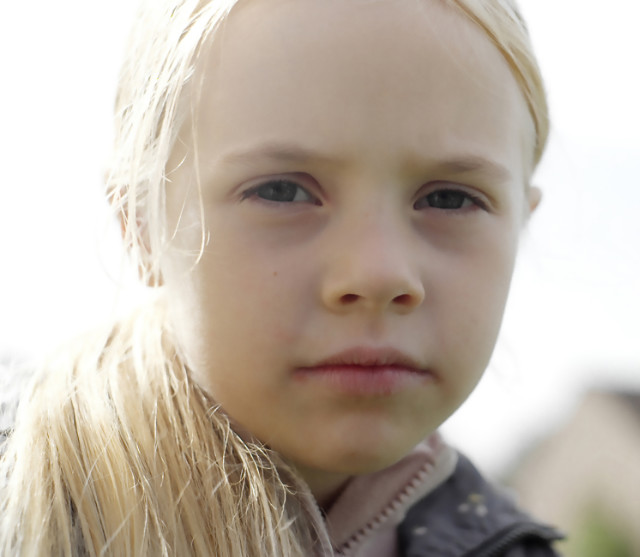
Portrait photo of a child

" Try to be brave… I would like more protecting. "
Child aged ten who gave evidence at court.

The development of Barnahus

The first Barnahus (a Scandinavian word for ‘children’s house’) was established in Iceland in 1998, as a response to child sexual abuse.

Inspired by American Child Advocacy Centres, the Barnahus is described by founder Bragi Guðbrandsson, Iceland’s Member of the United Nation´s Committee on the Rights of the Child and former Director General of Child Protection, as "a conscious attempt to synthesize the sophisticated investigative tradition of the US and the Nordic welfare tradition, based on the principles of the United Nations Convention on the Rights of the Child (UNCRC)".

The Barnahus model is underpinned by the UN Convention on the Rights of the Child (UNCRC, 1989) and supports implementation of a range of guidelines and laws including: Council of Europe Guidelines on child-friendly justice; Council of Europe Convention on the Protection of Children against Sexual Exploitation and Sexual Abuse (known as the Lanzarote Convention) and the European Convention on Human Rights.

The success of Barnahus for child victims and witnesses of violence in Iceland led to implementation by other Nordic countries, Sweden in 2005, Norway in 2007, Greenland in 2011 and Denmark in 2013. Now Barnahus is being adopted across Europe. The coordination and implementation of Barnahus across and within countries is adapted based on pre-existing structures, regulatory frameworks and cultural, geographical, or demographic differences.  

The Barnahus model is based on the following principles as set out in the European Barnahus Network’s Barnahus Quality Standards: Guidance for Multidisciplinary and Interagency Response to Child Victims and Witnesses of Violence: 

  1. Respect for the participatory rights of the child by ensuring that she/he is heard and receives adequate information and support to exercise these rights. 
  2. Multi-disciplinary and interagency collaboration during investigations, procedures, diagnostic and needs assessments and service delivery, to avoid (re)traumatisation and securing outcomes that are in the best interests of the child. 
  3. Comprehensive and accessible services that meet the individual and complex needs of the child and their non-offending family or caregiver.  
  4. Ensuring high professional standards, training and adequate resources for staff working with child witnesses and victims of violence. 

One of the central motivations underlying Barnahus was the child’s views were not being heard, either at all or satisfactorily, in judicial and administrative proceedings (Article 12, UNCRC). There was recognition that the environments in which children were disclosing violence were often inadequate and retraumatising and did not secure the best evidence for proceedings. The Barnahus aims to provide the optimum conditions for children to feel safe, informed and supported to disclose the hurt or harm they have experienced or witnessed.

In the Barnahus there are “four rooms” and these rooms provide all the services a child and family need to support them through their journey from disclosure to recovery. These rooms are: criminal investigation, child protection, physical health (including non-acute forensic examination) and mental health and recovery support.

The ‘roof’ of a Barnahus provides expertise through collaboration, consultation, training and awareness-raising about a child's rights to a non-violent childhood.

Image of the court room at Bairns Hoose
Image of the health room at Bairns Hoose
Image of the interview room at Bairns Hoose
Image of the recovery room at Bairns Hoose

Image credits: Lee Boyd Architects and Will Scott Photography.

Next: Bringing Bairns Hoose to Scotland
Sign up to our newsletter
  • About us
  • Our history
  • Get involved
  • Contact us
  • Donate
  • Careers
  • Cookies
  • Terms and conditions
  • Complaints policy
Find Us On
facebook
instagram
linkedin
youtube
Children First, 83 Whitehouse Loan, Edinburgh, EH9 1AT.
Registered Scottish Charity number: SC 016092. Children First | © 2025
Children First