
Skip to content
Children First
Get help now
Donate
  • Get Support
    • Get Support
    • Support line
      • Support line
      • Volunteer with Children First support line
      • Communities
    • Advice for families
      • Advice for families
      • Money advice tips for families
      • Guidance & Advice
        • Guidance & Advice
        • Articles
          • Articles
          • Supporting children with additional support needs
          • Coping with stress
          • Death and bereavement
          • Coming home with a new baby
          • Bonding with your baby
          • Looking after yourself with a new baby
          • Behaviour and feelings
          • Managing Children's Behaviour
          • Toddlers and tantrums
          • Teenage behaviour
          • Approaches that work with teenagers
          • Risk-Taking Behaviours
          • Mental Health Issues in Children
          • Common Mental Health Issues
          • Helping your child with mental health issues
          • Challenging or distressed behaviour
          • Spotting signs of abuse or neglect
          • Screen time
          • Online safety and parental controls
          • Sexting
          • Pornography
          • Disturbing or Extreme Content
          • Understanding self harm
          • Bullying
          • Separation and divorce
          • Contact arrangements
          • Supporting Kinship Families
          • Sexual development
          • Healthy relationships and consent
          • Supporting your LGBT+ child
        • Help to protect children
        • Mental health and wellbeing
        • Understanding behaviour
        • New parents and early years
        • The online world
        • Managing difficult changes
        • Sex and relationships
        • At school
    • How we can help
      • How we can help
      • Bairns Hoose
      • Keeping families together
      • Safeguarders Panel
        • Safeguarders Panel
        • What is a Safeguarder?
        • What else should I know?
        • What is going to happen?
        • Additional Support
        • How to Raise a Concern
        • Contact Us
      • Local services
        • Local services
  • Get involved
    • Get involved
    • Gifts in Wills
      • Gifts in Wills
      • Types of legacy
    • Ways to donate
      • Ways to donate
      • Philanthropy
        • Philanthropy
      • Other ways to give
      • In memory donations
      • Payroll Giving
      • About Gift Aid
      • Regular Giving
      • Amazon Wishlists
    • Fundraising for Children First
      • Fundraising for Children First
      • Fundraise at Work
        • Fundraise at Work
        • Sponsored Events
        • Team Building Ideas
        • Make, Bake and Sell
      • Fundraising at school
        • Fundraising at school
        • YPI
      • Contact the fundraising team
      • Do Your Own Thing
        • Do Your Own Thing
        • Fundraising inspiration
        • Birthdays and celebrations
        • Host a cake sale
      • Changing Children's Lives Fundraising Dinner
    • Events
      • Events
      • Kilomathon Scotland 2026
      • Baxters Loch Ness Running Festival 2025
      • TCS London Marathon 2026
      • Supernova Kelpies Run 2026
      • Skydive for Children First (1)
      • Men's 10K Edinburgh 2026
      • Women's 10K Edinburgh 2026
      • Skydive for Children First
      • Kiltwalk Glasgow 2026
      • Kiltwalk Edinburgh 2026
      • Kiltwalk Dundee 2026
      • Kiltwalk Aberdeen 2026
      • Changing Children's Lives Fundraising Dinner 2024
      • The Banchory Bangle Raffle 2026
      • Port of Leith Distillery Abseil 2026
      • The Kelpies Challenge 2025
      • Edinburgh Marathon Festival 2026
      • Take on your own challenge at an event near you!
      • On Mute May
      • Men's 10K Glasgow 2026
      • Women's 10K Glasgow 2026
      • Scottish Half Marathon and 10K 2026
      • 141 Mile Challenge 2025
    • Corporate partnerships
      • Corporate partnerships
      • Charity of Choice
    • Support our appeal
    • FAQs
    • Volunteer
      • Volunteer
      • Children First Support Line Volunteer – Edinburgh
      • Family Wellbeing Volunteer - East Renfrewshire
      • Family Wellbeing Volunteer - Glasgow
      • Family Wellbeing Volunteer - Renfrewshire
    • People's Postcode Lottery
  • Campaigns
    • Campaigns
    • Keeping children safe
    • The impact of trauma
    • Whole family support
    • Bairns Hoose
      • Bairns Hoose
      • Bringing Bairns Hoose to Scotland
      • Changemakers
      • Bairns Hoose news and blogs
      • Bairns Hoose in more detail
    • Children's human rights
  • For professionals
    • For professionals
    • Support line digital toolkit
    • Safeguarders Panel Team
      • Safeguarders Panel Team
      • Role of the Safeguarder
      • Legal Framework for Safeguarders
      • Performance Monitoring of Safeguarders
      • Other Useful Information and Resources
      • Annual Reports
      • Become a Safeguarder
      • For Safeguarders
        • For Safeguarders
        • Policies and Guidance
        • Training and Events
        • Resources
        • Fees and Expenses
    • Family Group Decision Making
      • Family Group Decision Making
      • Family Group Decision Making Accredited Training
    • Online Harm
    • Child Wellbeing and Protection in Sport
      • Child Wellbeing and Protection in Sport
      • Guidance
      • Information on Standards and CWPS Tool
      • Advice and information
      • Training
    • Case management support service
      • Case management support service
    • Kitbag at Children First
  • News
  • About us
    • About us
    • Careers
      • Careers
      • FGDM Coordinator
    • Our Values
    • Leadership
    • Our history
    • Contact us
      • Contact us
      • Historical records
    • Publications
    • Fair Work First Statement
    • Impact report
  1. Home
  2. For professionals
  3. How Bairns Hoose Works in Practice
  4. The Investigative Interview
  • Introduction
  • The Case For
    • Statements of Support
    • Why Bairns Hoose
    • Bringing Bairns Hoose to Scotland
    • Understanding the Research Evidence
    • Shortcomings of the Current System
    • What Works for Child Victims
    • Limitations of the Evidence
    Statements of Support
    From Bragi Guðbrandsson, Olivia Lind Haldorsson and Dr Mary Mitchell.
    Why Bairns Hoose
    A trauma-informed multi-disciplinary approach.
    Bringing Bairns Hoose to Scotland
    The journey bringing Bairns Hoose to Scotland.
    Understanding the Research Evidence
    The scale of child abuse in Scotland.
    Shortcomings of the Current System
    Re-living trauma, lack of access to support and advocacy, delays and distress in court processes.
    What Works for Child Victims
    The right place, people and support.
    Limitations of the Evidence
    The challenges around measuring long-term outcomes.
  • Participation
    • Participation
    • Children's views about Bairns Hoose
    Participation
    Involving children and young people
    Children's views about Bairns Hoose
    Materials created by children to express their views about Bairns Hoose
  • Building
    • Overview
    • Preparation and Briefing
    • Concept Design
    • Developed Design
    • Technical Requirements
    • Construction
    • Completion
    Overview
    Establishing a strong team and a structured RIBA plan of work.
    Preparation and Briefing
    The business case for the project, planning considerations, impact on local community and key requirements for the house.
    Concept Design
    Developing sketch proposals.
    Developed Design
    Showing what the building will look and feel like inside and outside.
    Technical Requirements
    Building regulations, acoustics, video and sound recording and IT.
    Construction
    Reviewing tenders, awarding the building contract and monitoring the construction progress.
    Completion
    Obtaining a completion certificate, establishing an ongoing maintenance plan, health and safety management.
  • How it Works
    • How Bairns Hoose Works in Practice
    • The Child's Journey and the Professional Response
    • The Investigative Interview
    • Recovery Support
    • Bringing Key Functions into a Bairns Hoose
    How Bairns Hoose Works in Practice
    The role of the coordinator and importance of multi-agency working.
    The Child's Journey and the Professional Response
    Holding the Interagency Referral Discussion (IRD) supporting children to come to Bairns Hoose.
    The Investigative Interview
    The Scottish Child Interview Model and protecting the location of Bairns Hoose.
    Recovery Support
    The Children First Recovery model.
    Bringing Key Functions into a Bairns Hoose
    Social work, education, court and legal process and health.
  • Evaluating and Improving
  • Resources

The Investigative Interview

Children First Bairns Hoose logo

The North Strathclyde Partnership was a pilot site for the new Scottish Child Interview Model (SCIM), an evidence-based protocol for interviewing child witnesses based on international best practice (COSLA, 2021). The North Strathclyde Partnership’s approached the piloting of the new model by developing a whole system approach across a large number of partners, informed by the Barnahus Network Quality Standards (Barnahus Network, 2017; COSLA, 2021). Since the model has become operational in North Strathclyde (August 2020) the Child Interview Team, comprising police officers and social workers who have been specially trained to undertake the investigative interviews, has interviewed over one thousand children; this figure includes continued subsequent interviews and re-interviews.
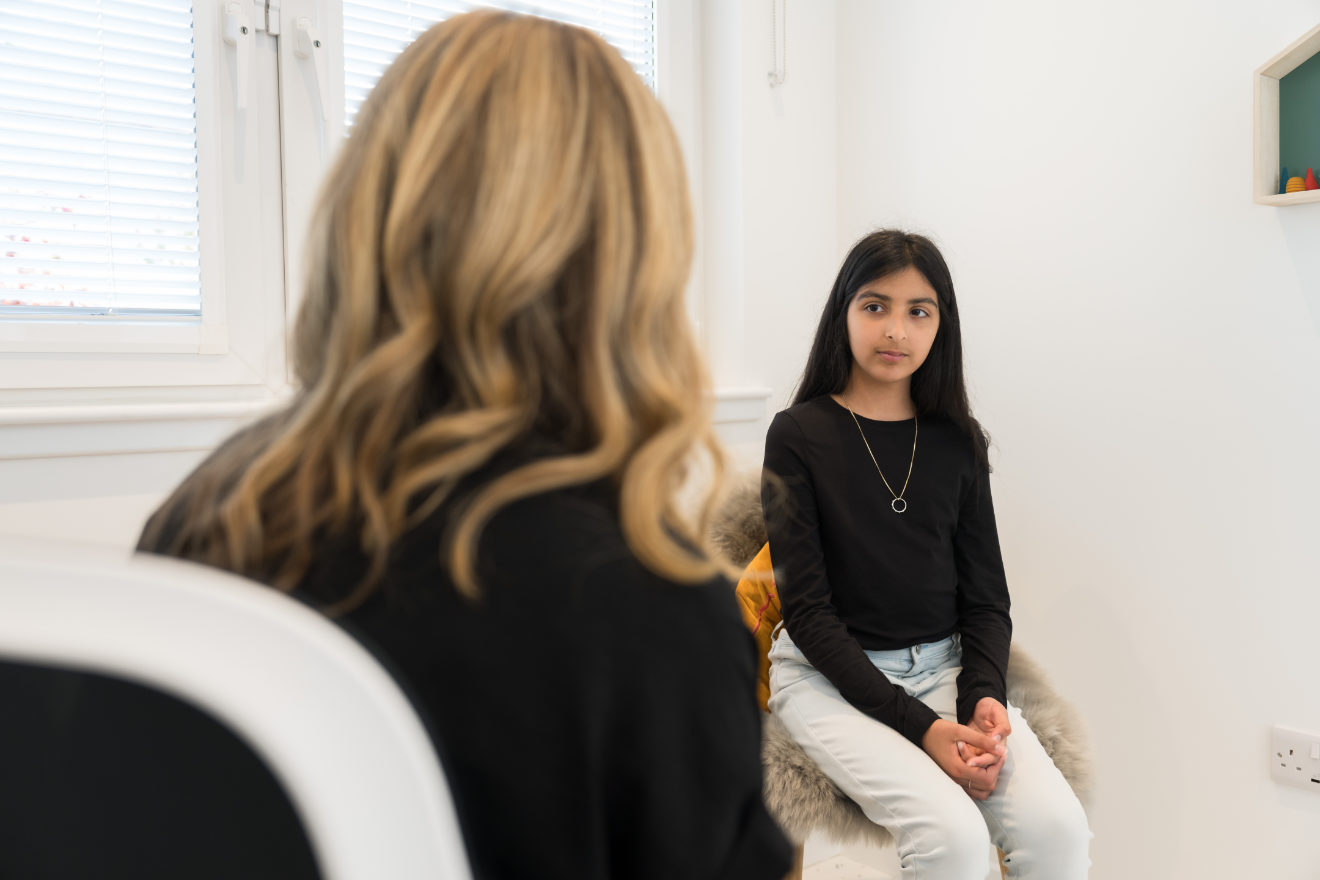
Child in conversation with an adult

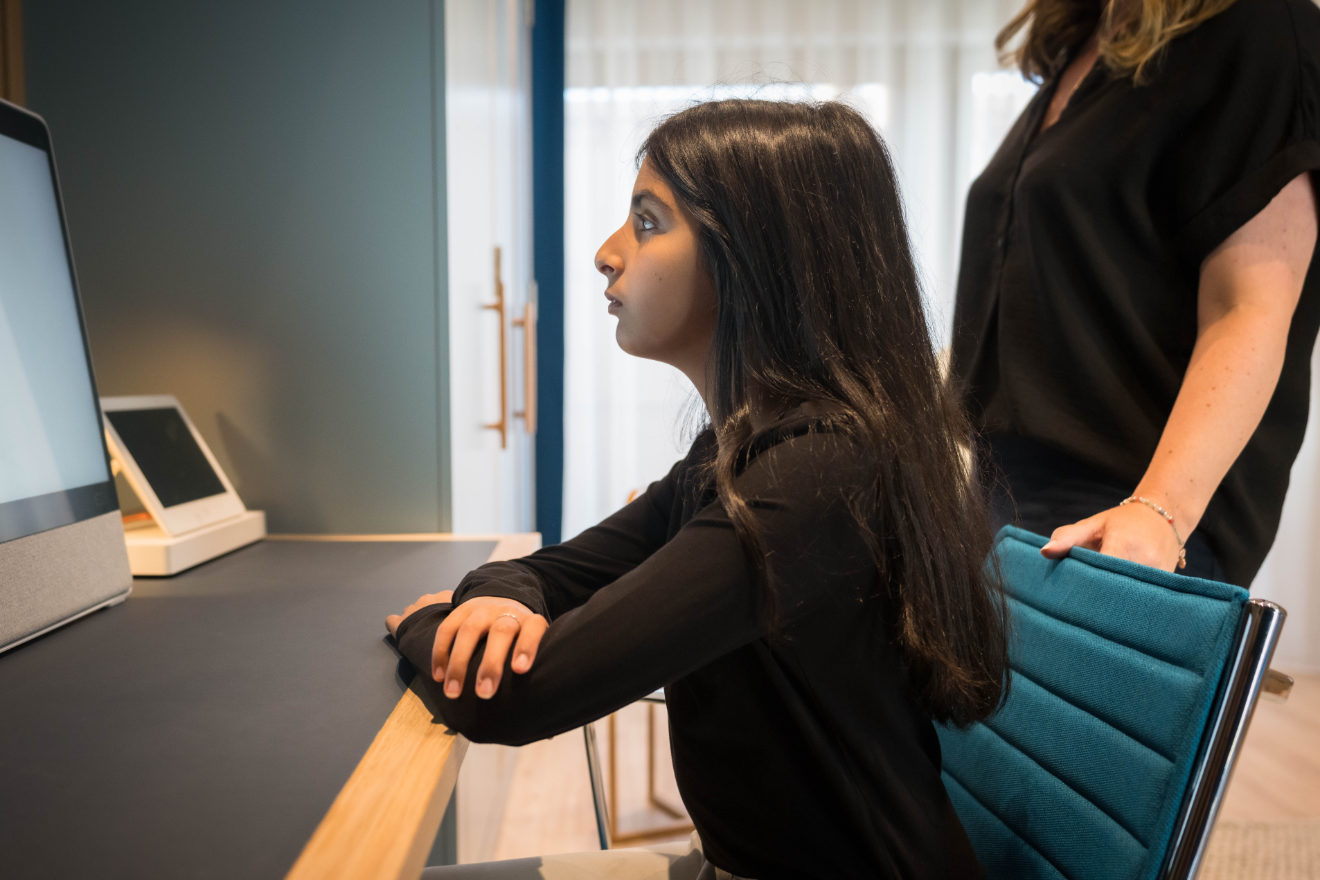
Child looking at a computer monitor

Guidance for SCIM interviews

The interviewer 

Each interview is carried out by one social worker and one police officer, who have completed specialist training over a six-month period to qualify as SCIM joint interviewers. Interviewers participate in ongoing learning and are regularly evaluated in order to maintain a high standard of practice.  

Interview planning 

If a decision has been made to carry out a SCIM joint interview, the police or social work team will contact the child and their family to agree safety plans and gather information for the planning stage of the joint interview.

A 'plan for the child’s needs' is developed by interviewers based on information provided by relevant professionals and people who know the child well. The plan highlights the child's individual needs and any existing strategies and adjustments that may be required to support the child to participate fully in the interview. Anyone who is part of the team around the child, professionals in education, health, social work and the third sector, as well as family members, may be contacted for assistance in developing a plan for the child’s needs. This means that each child's unique information informs interview planning.

The plan for the child needs should include information about:

  • The child’s strengths and resources, including any known coping strategies they have.
  • Any complex needs the child may have, including any known diagnoses.
  • Cognitive factors relevant to the child, including their ability to understand information.
  • Any trauma and adversity the child has experienced, including how this may impact them during the interview.
  • Any speech, language or communication needs the child has, including strategies to support this.
  • Any issues around context and motivation, including any worries the child may have around participating in the interview.
  • Information on the child’s relationships, including how they manage their emotions.

During the SCIM interview, interviewers will have at least one break to consult their notes, while the child can request as many breaks as needed to help them manage the process.

SCIM interviewers are trained and familiar with all the recording equipment used during the interview. One interviewer will conduct the interview and the other will use the observation room to watch the interview live and provide further questions, clarity and insight as required, as set out in the SCIM training standards.

For further information and resources on the Scottish Child Interview model, see Joint Investigative Interviews of Child Victims and Witnesses | COSLA 

Ongoing police investigation and follow up investigative interview

As the investigation progresses, the investigating police officer retains contact with the family to update them on progress. For some children or young people this can involve the police contacting them to request further DNA samples or clarify information pertinent to the investigation.

Some young people find that their mobile phones and other devices are requested by the police as part of the investigation. This can cause distress due to the amount of personal information held on phones, their value and the impact on the young person retaining contact with friends and associates. Phones and other devices are usually not returned until the case concludes, which for some can be more than 18 months. Assistance should be offered to enable the young person to receive a replacement device although some young people also require support to understand the reasons for their phone forming part of the investigation process, which some describe as making them feel like they are the person who is accused of doing something wrong.

Contact with the investigating police officer will usually end when the police inform the family whether the case will  progress through the justice process. It is not uncommon for it to take several months for the police to confirm whether a case can progress for prosecution. This first period of uncertainty and waiting precedes the wait the family will have for the case to go to court or the children’s hearing system.

Families recommend that there should be one contact person throughout their journey through the justice process. To take account of this feedback, where appropriate and helpful to families, the investigating police officer and the named Children First worker collaborate and agree how best to update the child or young person and their family on progress.

A Children First Bairns Hoose Rights, Advocacy and Trauma Recovery Worker is present and ‘on duty’ for all investigative interviews which take place within the Bairns Hoose. This provides an opportunity for family members or carers who accompany their child, to receive information, advice and dedicated support from a professional outside of the formal interview process. This also enables an offer of follow up recovery support to be made directly and immediately to children and family members following the joint investigative interview.

Next: Recovery Support
Sign up to our newsletter
  • About us
  • Our history
  • Get involved
  • Contact us
  • Donate
  • Careers
  • Cookies
  • Terms and conditions
  • Complaints policy
Find Us On
facebook
instagram
linkedin
youtube
Children First, 83 Whitehouse Loan, Edinburgh, EH9 1AT.
Registered Scottish Charity number: SC 016092. Children First | © 2025
Children First