
Justice

The North Strathclyde Partnership was a pilot site for the new Scottish Child Interview Model (SCIM), an evidence-based protocol for interviewing child witnesses based on international best practice (COSLA, 2021). The North Strathclyde Partnership’s approached the piloting of the new model by developing a whole system approach across a large number of partners, informed by the Barnahus Network Quality Standards (Barnahus Network, 2017; COSLA, 2021). Since the model has become operational in North Strathclyde (August 2020) the Child Interview Team, comprising police officers and social workers who have been specially trained to undertake the investigative interviews, has interviewed over one thousand children; this figure includes continued subsequent interviews and re-interviews.
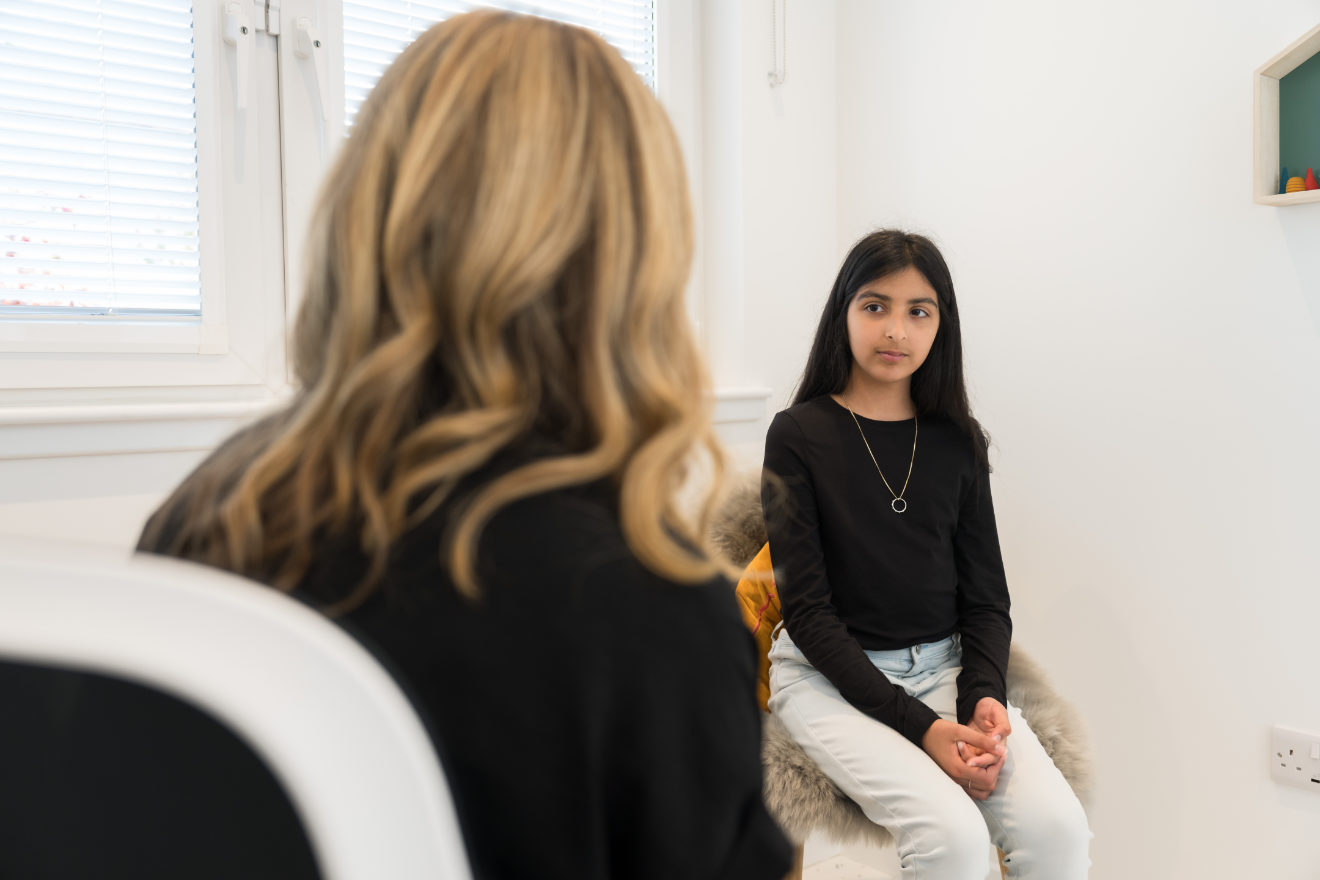
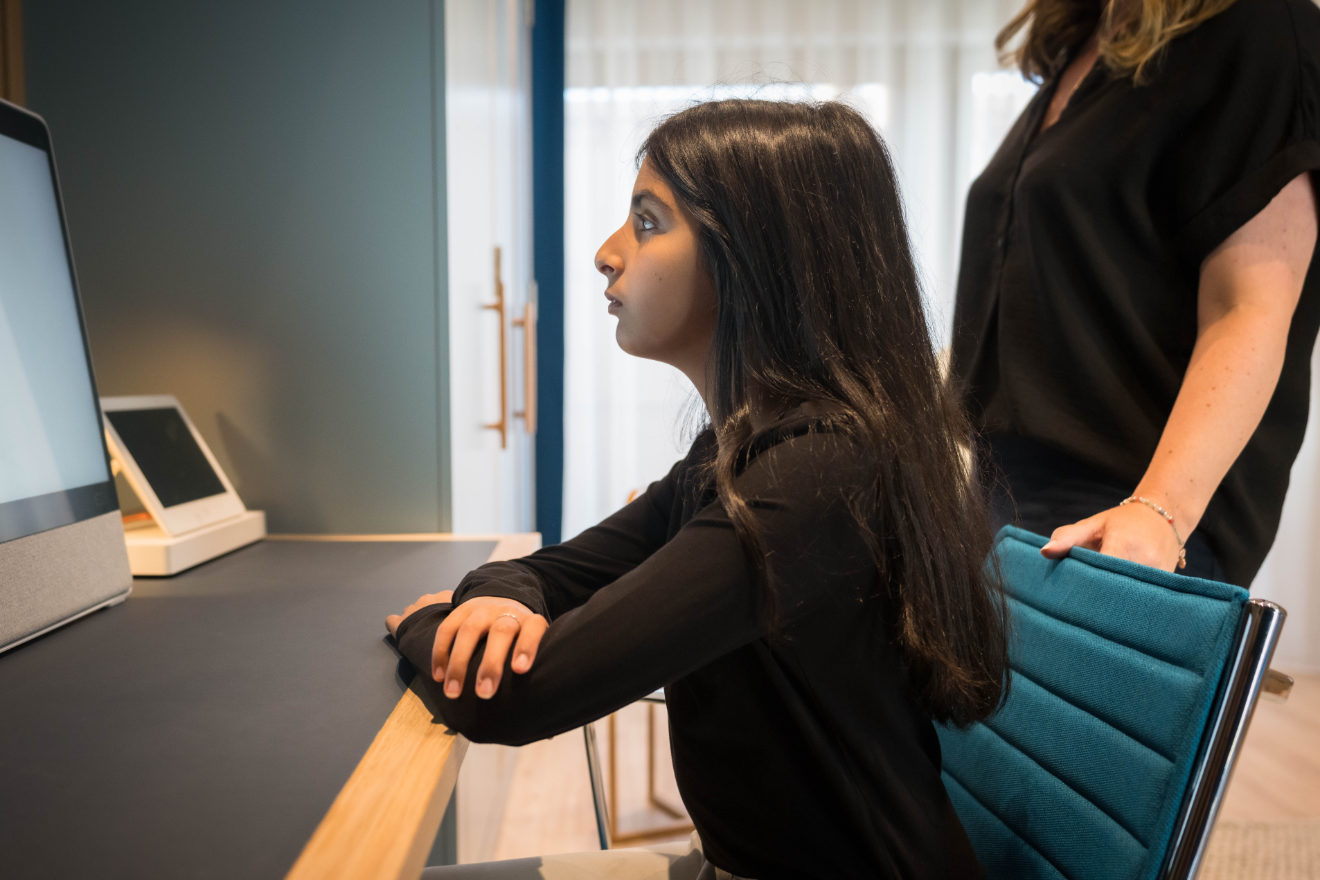
When children and their family or carers arrive at the Bairns Hoose for an investigative interview, they are usually met by one of the interviewers when they arrive and introduced to the Children First worker who is on duty. Children who have attended previously for a pre interview visit or have existing Children First support usually arrive at with an air of confidence, knowing where they are going.
All visitors are offered a drink and if appropriate something to eat and are shown where they can put their personal belongings, the toilets and welcome spaces.
Guidance for SCIM interviews
The interviewer
Each interview is carried out by one social worker and one police officer, who have completed specialist training over a six-month period to qualify as SCIM joint interviewers. Interviewers participate in ongoing learning and are regularly evaluated in order to maintain a high standard of practice.
Interview planning
If a decision has been made to carry out a SCIM joint interview, the police or social work team will contact the child and their family to agree safety plans and gather information for the planning stage of the joint interview.
A 'plan for the child’s needs' is developed by interviewers based on information provided by relevant professionals and people who know the child well. The plan highlights the child's individual needs and any existing strategies and adjustments that may be required to support the child to participate fully in the interview. Anyone who is part of the team around the child, professionals in education, health, social work and the third sector, as well as family members, may be contacted for assistance in developing a plan for the child’s needs. This means that each child's unique information informs interview planning.
The plan for the child needs should include information about:
- The child’s strengths and resources, including any known coping strategies they have.
- Any complex needs the child may have, including any known diagnoses.
- Cognitive factors relevant to the child, including their ability to understand information.
- Any trauma and adversity the child has experienced, including how this may impact them during the interview.
- Any speech, language or communication needs the child has, including strategies to support this.
- Any issues around context and motivation, including any worries the child may have around participating in the interview.
- Information on the child’s relationships, including how they manage their emotions.
During the SCIM interview, interviewers will have at least one break to consult their notes, while the child can request as many breaks as needed to help them manage the process.
SCIM interviewers are trained and familiar with all the recording equipment used during the interview. One interviewer will conduct the interview and the other will use the observation room to watch the interview live and provide further questions, clarity and insight as required, as set out in the SCIM training standards.
For further information and resources on the Scottish Child Interview model, see Joint Investigative Interviews of Child Victims and Witnesses | COSLA
The Scottish Child Interview Model aims to support recovery and reduce the impact of trauma and re-traumatisation wherever possible. Interviewers should signpost families to relevant support services where possible and request follow-up support, as a core part of delivery of the Scottish Child Interview Model.
Ongoing police investigation and follow up investigative interview
As the investigation progresses, the investigating police officer retains contact with the family to update them on progress. For some children or young people this can involve the police contacting them to request further DNA samples or clarify information pertinent to the investigation.
Some young people find that their mobile phones and other devices are requested by the police as part of the investigation. This can cause distress due to the amount of personal information held on phones, their value and the impact on the young person retaining contact with friends and associates. Phones and other devices are usually not returned until the case concludes, which for some can be more than 18 months. Assistance should be offered to enable the young person to receive a replacement device although some young people also require support to understand the reasons for their phone forming part of the investigation process, which some describe as making them feel like they are the person who is accused of doing something wrong.
Contact with the investigating police officer will usually end when the police inform the family whether the case will progress through the justice process. It is not uncommon for it to take several months for the police to confirm whether a case can progress for prosecution. This first period of uncertainty and waiting precedes the wait the family will have for the case to go to court or the children’s hearing system.
Families recommend that there should be one contact person throughout their journey through the justice process. To take account of this feedback, where appropriate and helpful to families, the investigating police officer and the named Children First worker collaborate and agree how best to update the child or young person and their family on progress.
A Children First Bairns Hoose rights, advocacy and trauma recovery worker is present and ‘on duty’ for all investigative interviews which take place within the Bairns Hoose. This provides an opportunity for family members or carers who accompany their child, to receive information, advice and dedicated support from a professional outside of the formal interview process. This also enables an offer of follow up recovery support to be made directly and immediately to children and family members following the joint investigative interview.
Court and Legal Proceedings
Standard seven of the Bairns’ Hoose standards covers access to support through the court and legal process. It aims to ensure that when children and young people need to give evidence in a court or legal process, someone explains what is happening, supports them and there is an option to live link to court from the Bairns Hoose. In addition to complying with Bairns’ Hoose standards, provision of support for children within justice process upholds UNCRC Article 39 right to recovery from abuse.
Role of the Children First Bairns Hoose coordinator and rights and advocacy trauma recovery team within justice
Working alongside justice colleagues, the Children First Bairns Hoose coordinator and rights, advocacy and trauma recovery team provide support to children and their families, through the court and legal process by:
- Supporting children and families whilst they progress through legal proceedings.
- Ensuring children and their families are informed about any court or legal process, including that no further information is available where this is available and appropriate to share.
- Sharing relevant information with children and families when it is available.
- Sharing information about the legal case with relevant agencies, when appropriate or possible to do so, to support integrated planning.
- While it can be helpful to give child witnesses the opportunity to review their statement in advance of the court date, many find this retraumatising. Children can be offered an opportunity to write a victim impact statement, which their Children First recovery worker can support them to compile.
- Children First recovery workers can support child witnesses to attend court when this is required.
Remote participation in legal proceedings
The North Strathclyde Bairns Hoose has facilities to support a child to participate remotely in legal proceedings and the Bairns Hoose justice suite and access to court support has been available since August 2024. However, getting children and young people to routinely complete their justice journey through the Bairns Hoose has proven to be more complex than initially anticipated. A test of change is under way for a Procurator Fiscal depute assigned to oversee the work of the Bairns Hoose in North Strathclyde, with the aim of ensuring routine access to the link to court facilities within the justice suite by child victims and witnesses. This is proving to be highly effective in ensuring that more children are able to given evidence from the suite and numbers are increasing rapidly.